Design Systems
In my early days at Lithia & Driveway, I was on the design system team. My design partner and I took a lightweight component library to a full-fledged design system. We connected with engineering to establish which components actually existed in production, then rebuilt each one in Figma from the ground up to achieve stronger parity with component structure and props in code. We stood up design system documentation, and then I interviewed engineers from every feature team to establish a design spec standard that truly served how they worked, and a spec review process that ensured adoption by both designers and engineers.

As Ben Callahan says, "Your design system won't make your products more consistent. People will make what they want to make. Your job is to change what they want to make. Culture is what creates consistency."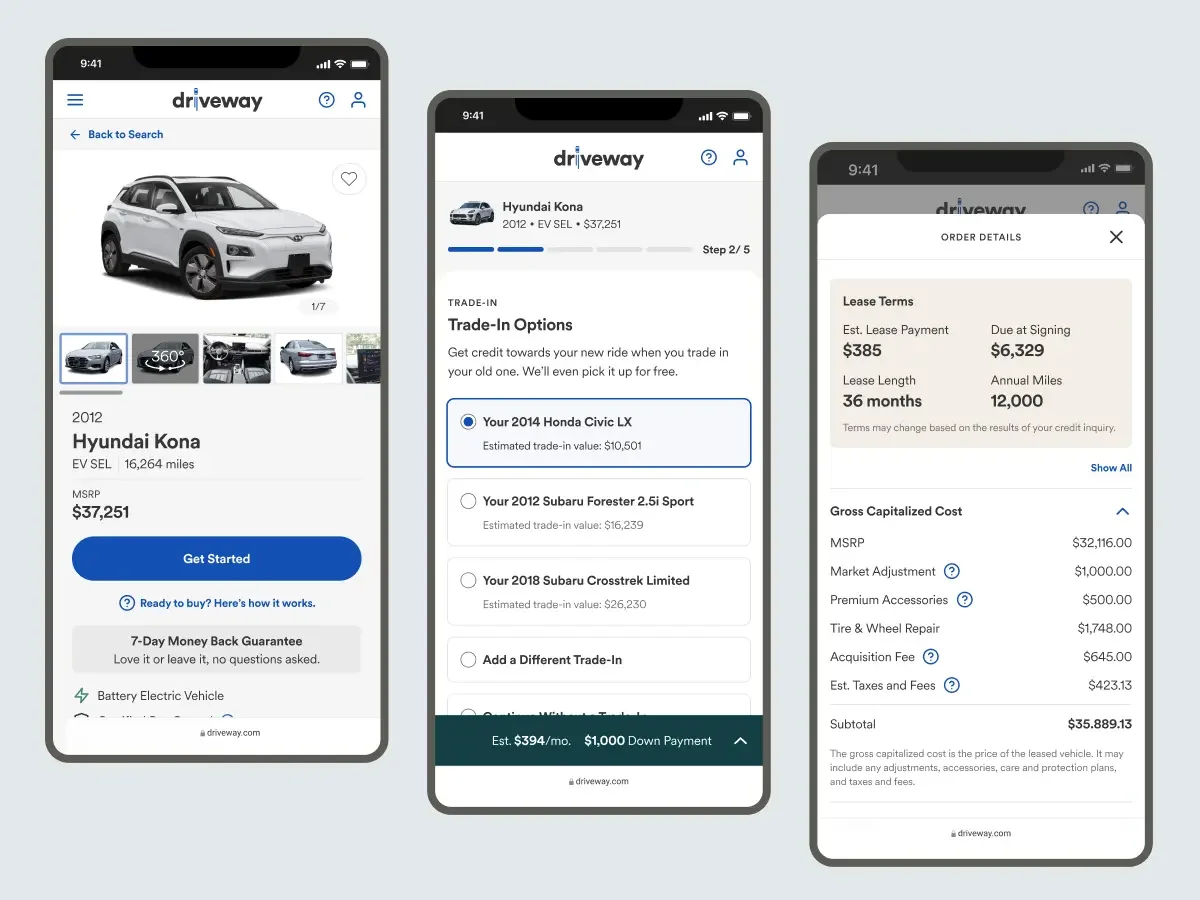
The Sequoia DS at work. These are selected screens from Driveway's shop and checkout flow.
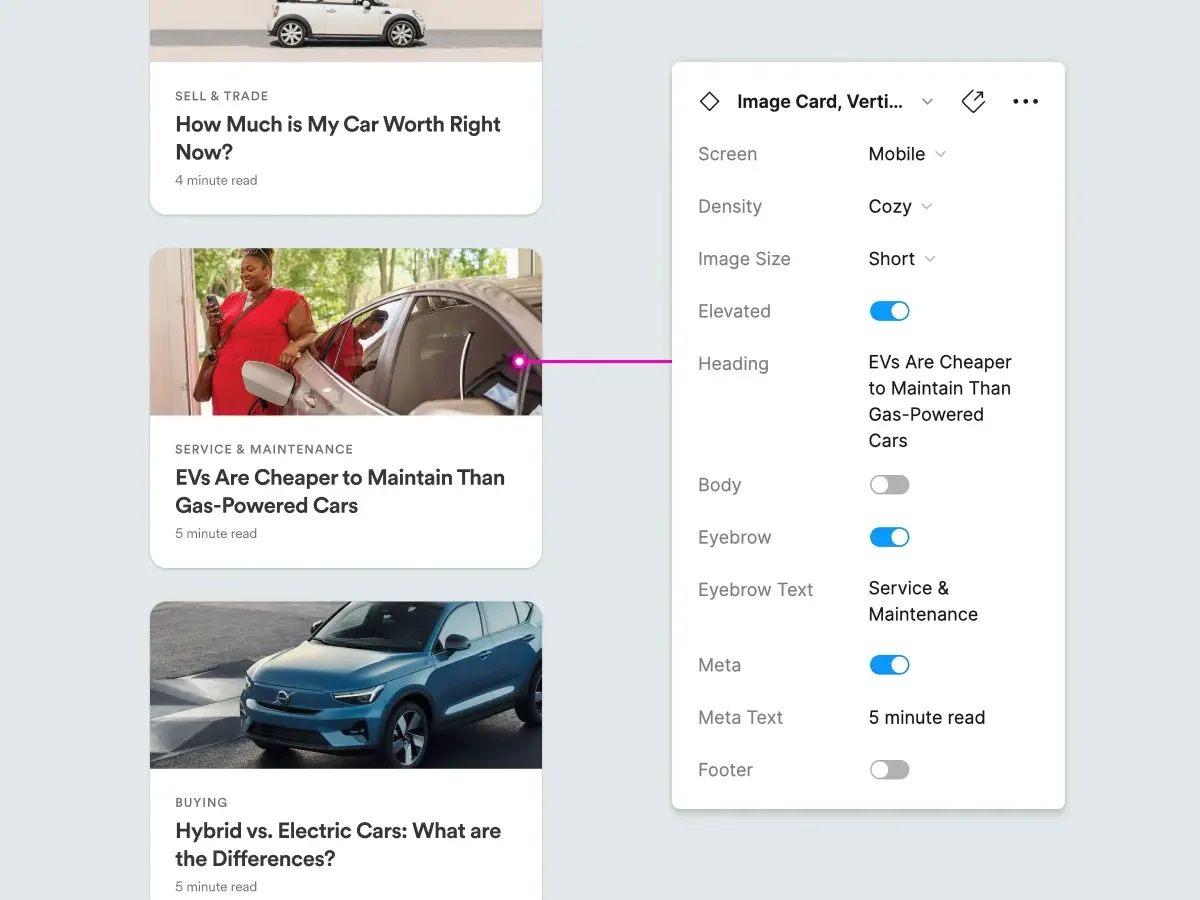
Figma component properties should, at minimum, support their real-world permutations. Their configuration should also be approachable for the designer.
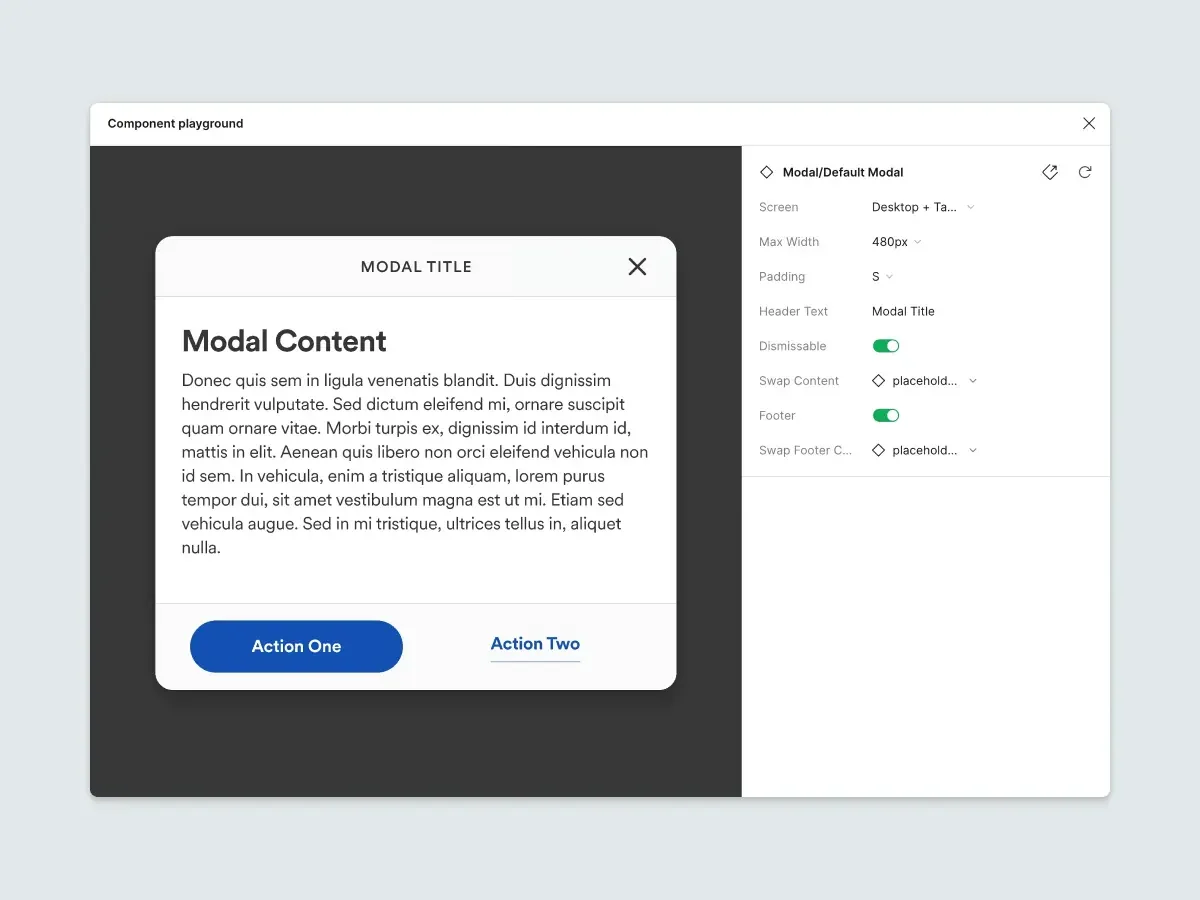
Mutual understanding between design and dev is crucial. Dev mode has made it much easier to communicate expectations and aim for closer parity.
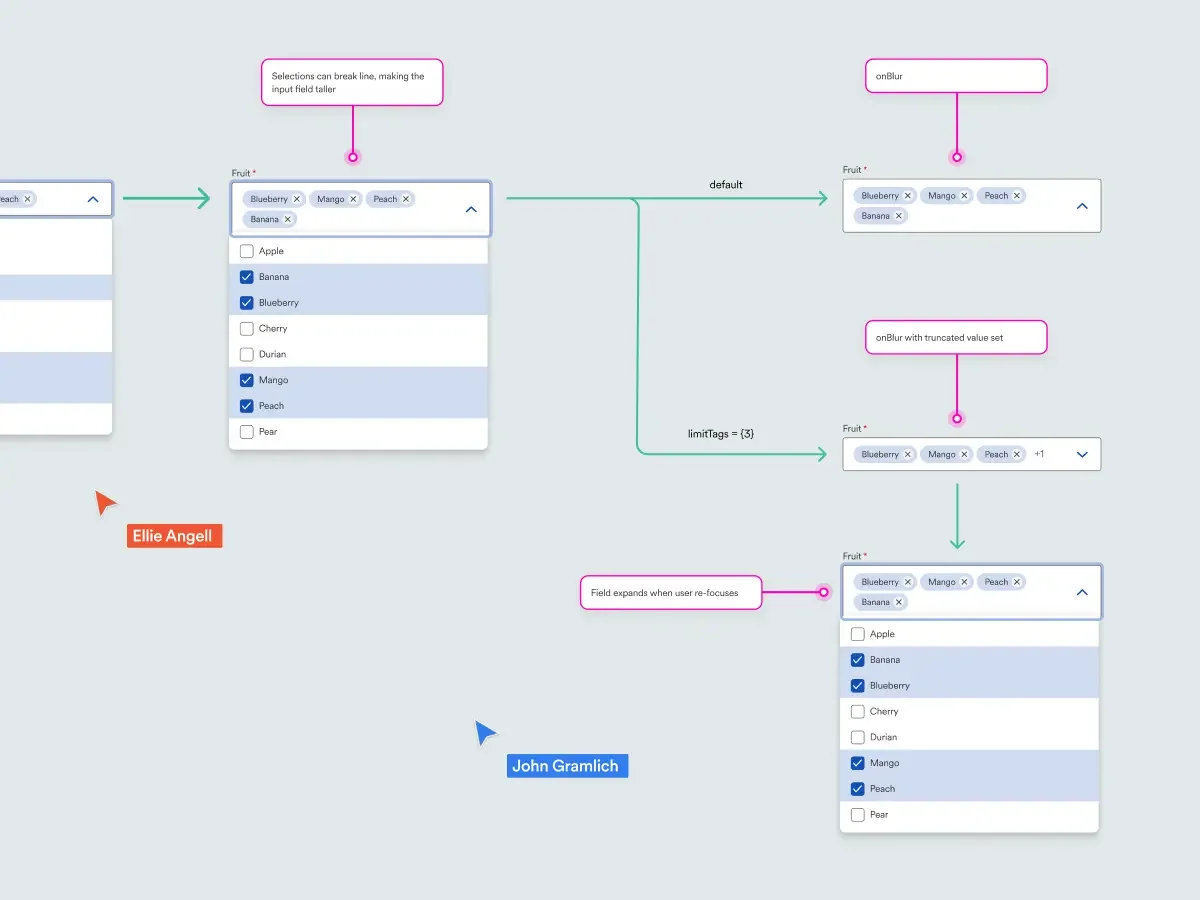
It often boils down to communication — making sure the right information gets to the right person at the right time. Here, I'm mapping out the expected behavior of an Autocomplete component for engineers.